
If you run a small or medium-sized business, Local SEO is one of the most valuable tools available to you. It puts your business in front of people who are actively searching for products or services near them. In this guide, we break down every step you need to improve your local search rankings.
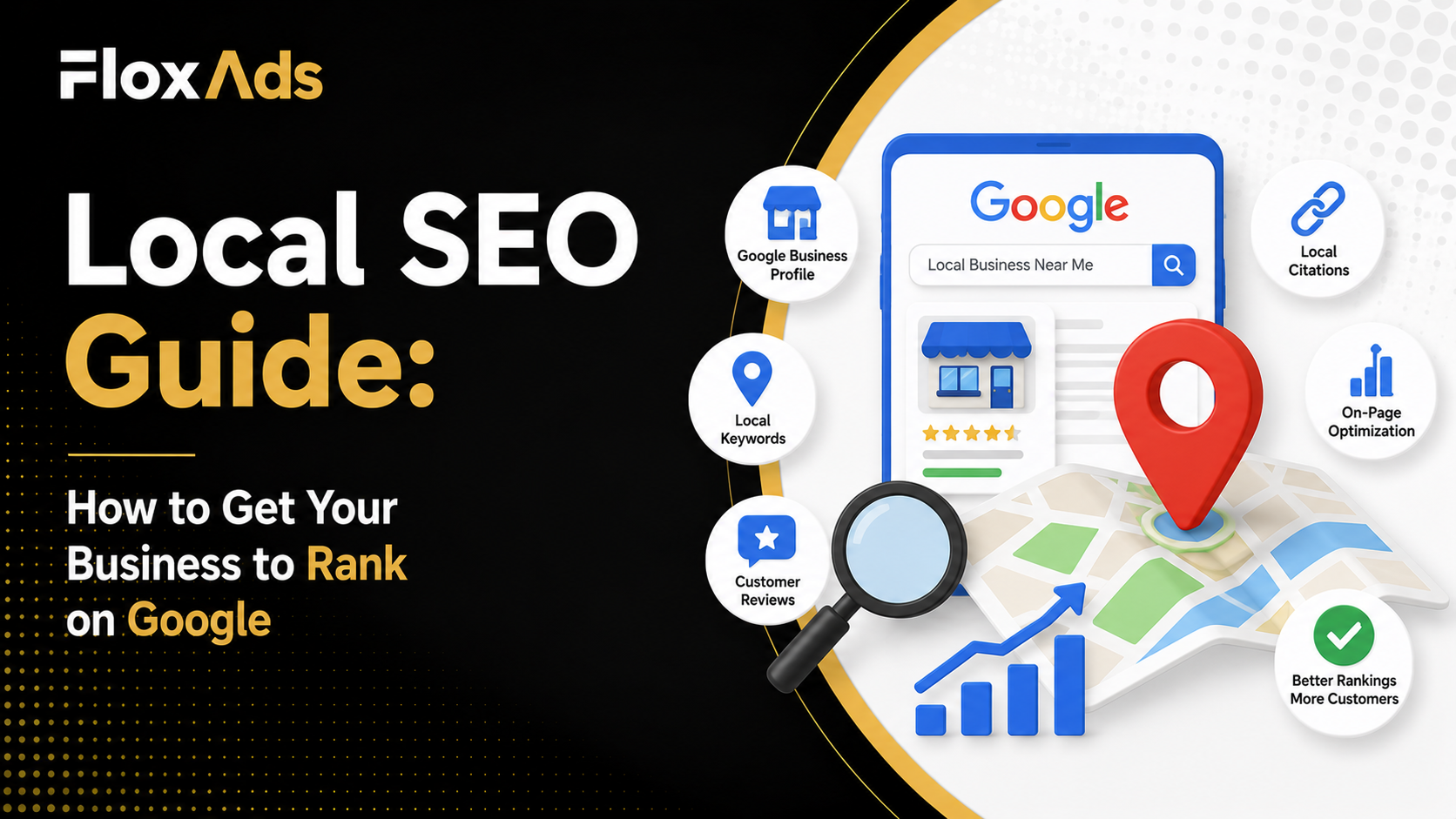
What Is Local SEO?
Local SEO is the process of optimizing your website and online profiles so that Google shows your business to people searching within a specific area. When someone types "dentist near me" or "best cafe in Jaipur," Google displays the local pack and map results. Landing in that spot should be the goal of every local business owner.
Traditional SEO targets users across the entire world, while Local SEO focuses on customers within a defined geographic radius. This distinction is exactly what makes local optimization so effective for smaller businesses.
Why Local SEO Matters
Most people search on Google before visiting any shop or booking any service. If your business doesn't appear in local search results, you lose customers who are right around the corner. A well-planned strategy increases organic traffic to your website, drives more foot traffic to your store, and generates more phone calls. You achieve all of this without spending heavily on advertising.
Set Up Your Google Business Profile Correctly
The first step for any local business is creating and fully completing a Google Business Profile. Add your accurate business name, address, phone number, website link, and business category. Include your operating hours, photos, and a complete list of services. The more complete and accurate your profile is, the more trust Google places in it.
Update your profile regularly. Post new photos, share offers, and respond to customer questions. An active profile signals to Google that your business is real and currently operating.
Why NAP Consistency Matters
NAP stands for Name, Address, and Phone number. Your business details should match exactly across your website, Google profile, social media pages, and directory listings. Even a small inconsistency can reduce Google's trust in your listing and hurt your rankings. Review all your listings periodically and correct any outdated or incorrect information right away.
How to Research Local Keywords
Find keywords that combine your service with your city, neighborhood, or area name, such as "best plumber in Jaipur" or "yoga classes in Malviya Nagar." Use these terms naturally in your titles, headings, and page content. Avoid stuffing keywords into your text; it makes the content awkward to read and Google penalizes that approach too.
Google's "People Also Ask" section and autosuggest feature are great sources for discovering additional keyword ideas that real users are searching for.
On-Page Optimization for Your Website
Include location-based information on every page of your website. State your address, phone number, and service area clearly on your homepage. Create a separate landing page for each service and add location-relevant details to it. Add your city name to meta titles and meta descriptions so your listing appears more relevant in search results.
Pay close attention to your website's loading speed and mobile-friendliness, since most local searches happen on mobile phones.
The Role of Customer Reviews
Google reviews play a major role in local rankings. Politely ask satisfied customers to leave a review. Respond to every review, whether it's positive or negative. This shows potential customers that you care about their experience and take their feedback seriously.
A business with a higher number of genuine, recent reviews is generally viewed as more trustworthy by Google.
Local Citations and Directory Listings
List your business on directory sites relevant to your region and industry. These citations reassure Google that your business is legitimate and well established. Keep your information accurate and updated across every listing to avoid confusion.
Getting listed in niche, industry-specific directories can also give your rankings an extra boost.
Building Local Backlinks
Try to earn backlinks from local newspapers, blogs, and community websites. Sponsoring local events, supporting a charity, or partnering with nearby businesses can all lead to natural backlinks. These links not only improve your rankings but also strengthen your reputation within your community.
Using Schema Markup
Add LocalBusiness Schema Markup to your website. This code helps Google understand your business details more accurately. As a result, your listing may appear with rich snippets in search results, including ratings, address, and operating hours.
How to Track Your Results
Use Google Business Profile Insights and Google Search Console to see how often your listing appeared, how many people clicked on it, and how many calls it generated. Reviewing these numbers regularly helps you understand whether your strategy is working and where you need to make adjustments.
Conclusion
Local SEO isn't a one-time task; it's an ongoing process. A complete Google Business Profile, consistent NAP details, well-researched keywords, and strong customer reviews together can push your business ahead of local competitors. Stay patient, keep your profile updated, and commit to consistent effort over several months. Over time, that effort pays off through more customers, more foot traffic, and a stronger brand presence in your area.